

Why Nostalgia Feels Bittersweet and What It Reveals About You
It hits you unexpectedly. A song from high school drifts through a café speaker. You catch the scent of your grandmother's perfume on a stranger. You stumble upon an old photograph tucked inside a book. For a moment, you are transported.
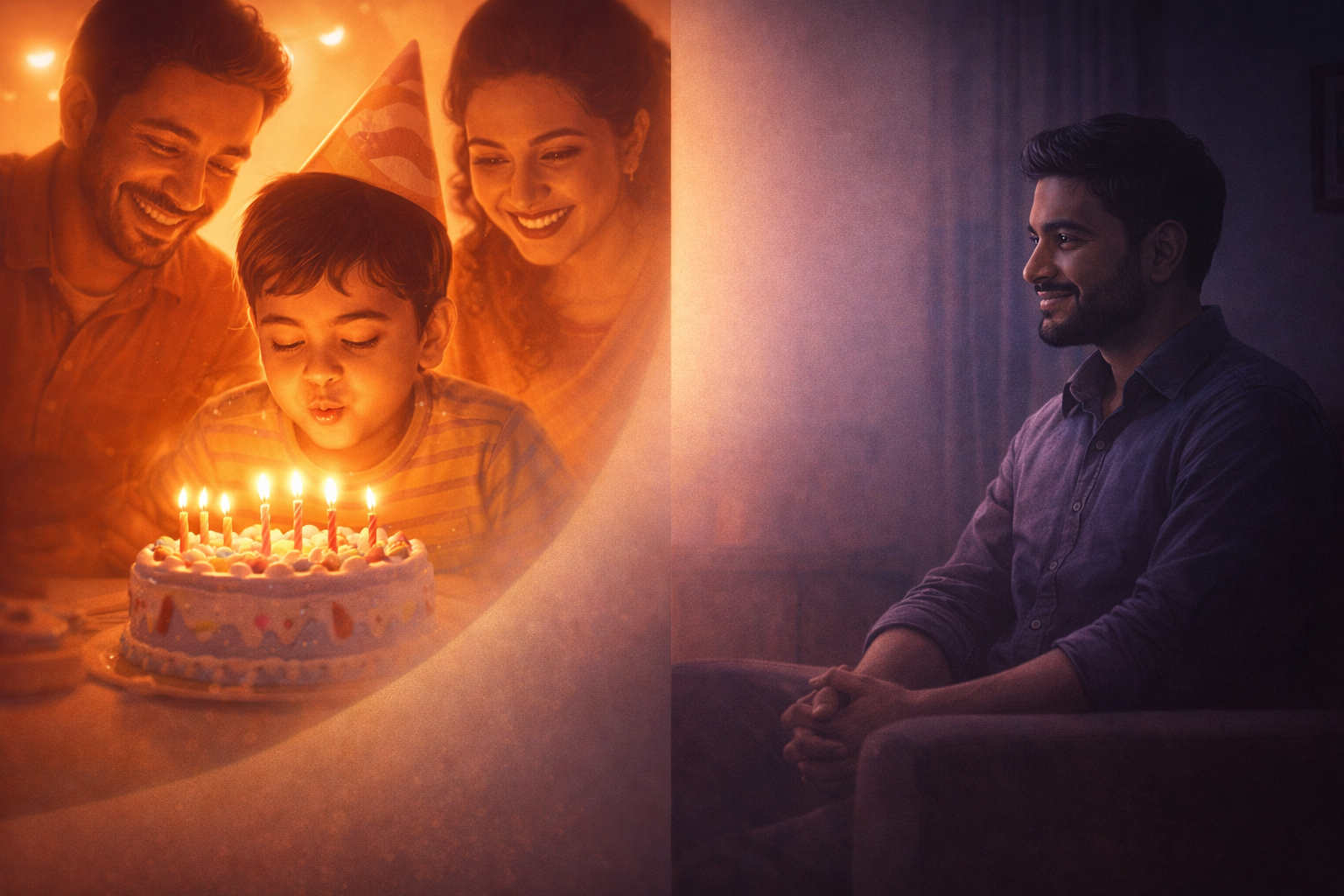
Then comes the feeling: a warm ache in your chest. A smile that tugs at the corner of your mouth, followed by a quiet exhale—something close to grief but not quite. Bittersweet. You miss what was, and yet you are grateful it happened.
This is nostalgia, and it is one of the most complex emotions we experience. Far from being mere sentimentality, research suggests that nostalgia reveals profound truths about who we are, what we value, and how we navigate the journey of being human. Understanding why it feels so bittersweet is the first step to understanding yourself.
The Psychology of Bittersweet: Why Joy and Grief Coexist
Why does a happy memory so often arrive wrapped in a layer of sadness? The answer lies in the unique structure of nostalgic reflection.
The Dual Nature of Nostalgic Emotion
Psychologists define nostalgia as a "self-conscious, bittersweet but predominantly positive emotion" that involves reflecting on personally meaningful memories. The sweetness comes from the re-experiencing of joy, connection, and meaning. The bitterness comes from the awareness that this moment is irretrievable.
As researcher Dr. Constantine Sedikides of the University of Southampton notes, nostalgia involves a "dual time perspective." You are simultaneously in the past (reliving the memory) and in the present (recognizing its absence). This creates a layered emotional experience that feels like celebrating a loved one's life at their funeral—joy and sorrow interwoven.
This bittersweet quality is precisely what makes nostalgia so psychologically potent. The touch of sadness signals to us that something meaningful was lost, which paradoxically heightens our appreciation for what we had.
More Than Sentimentality: The Hidden Functions of Nostalgia
For decades, nostalgia was dismissed as a weakness—a longing for a past that never quite existed. Modern psychology has reversed this view. Research now shows that nostalgia serves critical psychological functions.
Nostalgia as an Existential Anchor
When people feel uncertain about the future, disconnected from their identity, or anxious about life's meaning, nostalgia surges. It acts as a psychological anchor. By reminding us of who we were, it stabilizes who we are.
Studies have shown that nostalgia increases feelings of self-continuity—the sense that your past, present, and future self are meaningfully connected. This is particularly valuable during life transitions: graduation, career changes, divorce, or the loss of a loved one. Nostalgia whispers, "You have been through hard things before. You are still you."
Key Point: Nostalgia is your mind's way of maintaining a coherent identity across time. The bittersweet ache is the feeling of your past self reaching forward to reassure your present self.
The Social Connection Blueprint
Nostalgic memories are rarely solitary. They almost always involve others: family gatherings, old friends, shared experiences. Researchers have found that nostalgia increases feelings of social connectedness and belonging.
When we feel lonely or socially threatened, nostalgia acts as a "sociality trigger." It reminds us that we have been loved, that we have belonged, and that we are capable of forming bonds. In this way, nostalgia is a protective emotional resource—one that buffers against isolation and reinforces our sense of being part of something larger than ourselves.
What Your Nostalgia Says About You
Not all nostalgia is created equal. What you long for reveals the architecture of your inner world.
The Objects of Your Longing Reveal Your Values
Pay attention to what surfaces when nostalgia strikes. These are not random fragments; they are signposts.
- If you long for family holidays, your values likely center on connection, tradition, and belonging.
- If you long for childhood adventures, you may be craving freedom, spontaneity, or a simpler time before adult responsibilities.
- If you long for old friendships, you might be experiencing loneliness or a desire for deeper connection in your current life.
- If you long for past achievements, you may be seeking validation or struggling with self-worth in the present.
Your nostalgic memories are a map of what matters most to you. They reveal the emotional terrain you consider sacred.
When Nostalgia Becomes a Warning Sign
While nostalgia is generally healthy, its flavor matters. Psychologists distinguish between reflective nostalgia (contemplative, bittersweet, accepting of the past) and restorative nostalgia (obsessive, idealizing, driven by a desire to literally recreate the past).
If you find yourself:
- Believing that "everything was better back then"
- Avoiding present challenges by retreating into memories
- Feeling that your best days are definitively behind you
—this may signal depression or an avoidance of unresolved present difficulties. In these cases, nostalgia is no longer a resource but an escape route. The goal shifts from enjoying the bittersweet to seeking professional support.
How to Honor Nostalgia Without Getting Stuck in the Past
Nostalgia is a gift, but like any gift, it requires wise handling. Here is how to let nostalgia serve you without letting it trap you.
Practice Mindful Reminiscence
When a nostalgic wave arrives, resist the urge to scroll away or numb it. Sit with it. Ask yourself:
- What did this moment give me that I still carry?
- Who was I then, and how does that person inform who I am now?
- What am I grateful for, even as I acknowledge the loss?
This mindful approach transforms nostalgia from passive longing into active meaning-making.
Use Nostalgia as a Compass, Not a Destination
Let your nostalgia guide you toward what you value now. If you long for the deep conversations of college friendships, take that as a cue to invest in meaningful connection today. If you miss the creativity of your childhood, carve out space for a creative hobby. Nostalgia isn't meant to be lived in—it's meant to orient you.
Conclusion
The bittersweet ache of nostalgia is not a flaw in your emotional design. It is evidence of a life that has been deeply lived, of bonds that have mattered, of a self that persists across time. When you feel that familiar pang, recognize it for what it is: your mind's gentle reminder that you are a being woven from memory, meaning, and longing. Let it soften you, guide you, and remind you of who you have always been—even as you continue to become who you are meant to be.


