

Why We React Emotionally Before We Think Logically And How to stop that.
You get a short, cold email from a colleague—and your stomach tightens instantly.
You’re cut off in traffic, and anger spikes before you can think.
Someone criticizes your idea, and defensiveness rushes in automatically.
Only later—sometimes seconds, sometimes hours—does logic arrive:
- “Maybe they’re just stressed.”
- “That reaction was too much.”
- “There might be truth in that feedback.”
This isn’t a lack of self-control or maturity.
It’s human neurology doing exactly what it evolved to do.
Our brains are wired to feel first and think later. Understanding why this happens is a powerful step toward emotional intelligence, healthier relationships, and better decision-making.
Let’s break down the science—and then learn how to create a pause between reaction and response.
The Brain’s Survival Blueprint: Emotion First, Questions Later
To understand emotional reactions, we need a basic map of the brain. Two key players are involved:
- The amygdala (emotion and threat detection)
- The prefrontal cortex (logic, reasoning, self-control)
Meet Your Amygdala: The Brain’s Alarm System
The amygdala is a small, almond-shaped structure deep in the brain. Think of it as your internal smoke detector.
Its job is simple: keep you alive.
It constantly scans what you see, hear, and sense, asking rapid-fire questions:
- Is this dangerous?
- Is this rewarding?
- Should I fight, flee, or freeze?
The amygdala doesn’t analyze context or intention. It works on ancient patterns. When it senses a potential threat—like a sharp tone, criticism, or sudden movement—it reacts in milliseconds.
This reaction is known as an “amygdala hijack,” a term coined by psychologist Daniel Goleman. During a hijack:
- Heart rate increases
- Stress hormones flood the body
- Muscles tense
- Rational thinking temporarily goes offline
All of this happens before your thinking brain fully processes the situation.
The Low Road and the High Road: How Signals Travel in the Brain
Neuroscientist Joseph LeDoux explained emotional reactions using two neural pathways:
- The Low Road → A fast, direct route from the senses to the amygdala
- The High Road → A slower route that sends information to the neocortex for detailed analysis
The low road exists for speed. It’s why you pull your hand away from a hot surface before consciously feeling pain.
In social situations, it means your body may already be angry, anxious, or defensive before your mind catches up and says:
“That email was blunt—but not an attack.”
System 1 vs. System 2: Psychology’s View of Fast and Slow Thinking
This brain science aligns perfectly with psychologist Daniel Kahneman’s model from Thinking, Fast and Slow.
System 1: Fast, Automatic, Emotional
- Runs on intuition and emotion
- Requires little effort
- Reacts instantly
- Responsible for gut reactions and snap judgments
System 2: Slow, Logical, Deliberate
- Requires conscious effort
- Handles reasoning, self-control, and reflection
- Weighs evidence and context
Think of it this way:
- System 1 is a sprinter
- System 2 is a marathon runner
The sprinter always takes off first.
Emotional intelligence is knowing when to slow it down so the marathon runner can join the race.
Why Evolution Chose Emotion Over Logic
If logic is so useful, why didn’t evolution make us rational first?
Because speed saved lives.
Imagine early humans on the savannah. A rustle in the grass could be wind—or a predator. The person who paused to logically analyze the odds didn’t survive. The one whose amygdala shouted “THREAT!” and jumped away lived to pass on their genes.
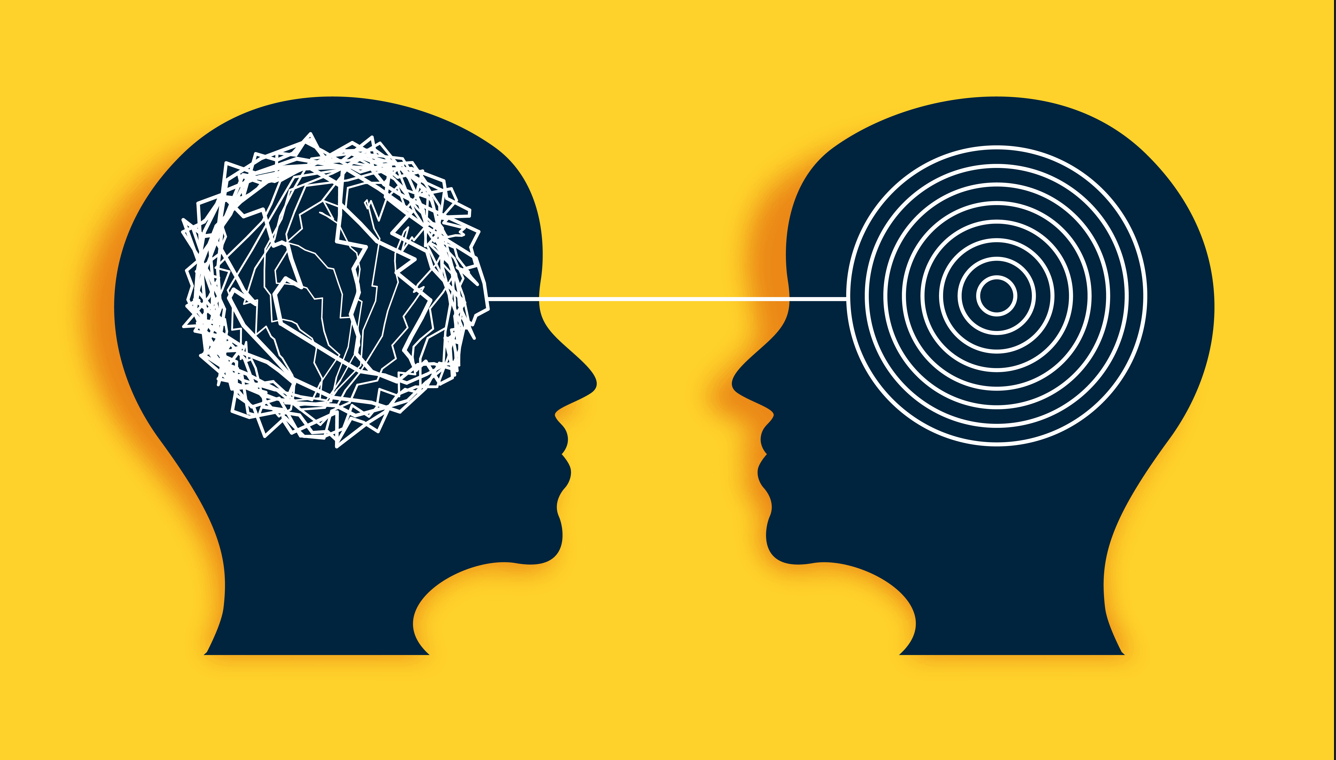
This emotional-first system was a brilliant survival mechanism.
In modern life, where threats are often social or psychological, the same system can feel excessive—but it’s still powerful and automatic.
From Reaction to Response: Creating Space for Logic
You can’t—and shouldn’t—eliminate emotional reactions. Emotions provide valuable information.
The goal is simple:
Create a pause between the emotional spark and your response.
That pause is where emotional intelligence lives.
Step 1: Recognize the Hijack (Listen to Your Body)
When logic is offline, the body speaks loudly. Watch for signs like:
- Tight chest or jaw
- Flushed face
- Shallow breathing
- A sinking feeling in the stomach
These signals mean System 1 is in control. Awareness alone begins to restore balance.
Step 2: Name the Emotion to Tame It
Research from UCLA shows that labeling emotions reduces amygdala activity.
Silently naming the feeling helps bring the prefrontal cortex back online:
- “This is anger.”
- “I’m feeling anxious.”
- “This triggered defensiveness.”
No judgment. Just identification.
Step 3: Practice the Pause (Even a Small One)
Before reacting:
- Take one deep breath
- Delay sending the message
- Say, “I need a moment to think about this”
- Physically step away if needed
This pause is the bridge between emotion and logic. It allows the high road to catch up.
Conclusion: It’s Not a Battle—It’s a Timeline
Emotion and logic aren’t enemies. They operate on different timelines.
Emotion speaks first because it always has—it’s the legacy of a survival-focused brain. Logic follows, offering reflection, context, and choice.
When you understand this, you stop blaming yourself for emotional reactions. Instead, you learn to work with your brain—not against it.
Emotional intelligence isn’t about thinking instead of feeling.
It’s about thinking about what you’re feeling—before you act on it.


