

Why Our Brain Loves Drama More Than Peace
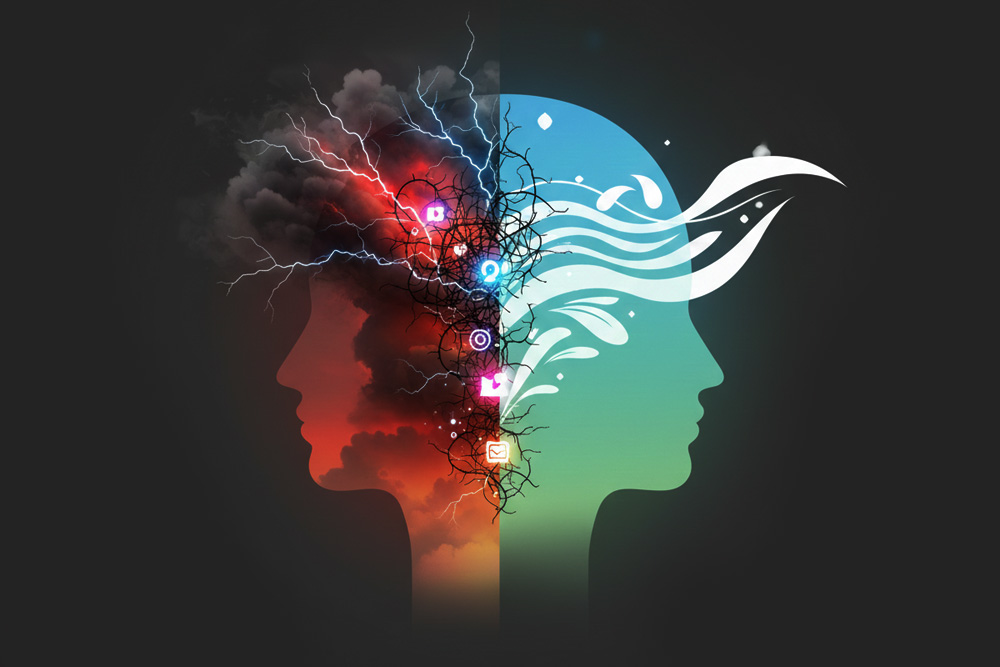
Peace sounds ideal in theory. Calm mornings. Stable relationships. Predictable emotions. Yet many people find themselves drawn to chaos — dramatic conversations, emotional highs and lows, intense relationships, and constant stimulation.
Even when peace is available, the mind often disrupts it.
This isn’t a character flaw. It’s wiring.
Our brain doesn’t naturally prioritize peace.
It prioritizes alertness, stimulation, and survival — and drama delivers all three.
The Strange Comfort of Emotional Chaos
Drama is exhausting, yet familiar. Peace is soothing, yet uncomfortable.
This paradox confuses many people. If peace is healthier, why do we:
- Overthink when things are going well?
- Feel uneasy in stable relationships?
- Gravitate toward emotionally intense situations?
- Replay conflicts long after they’re over?
The answer lies in how the brain interprets safety and significance.
How the Brain Is Wired for Threat, Not Calm
Survival Instincts and Emotional Reactivity
From an evolutionary perspective, the brain evolved to keep us alive, not peaceful.
For thousands of years, survival depended on:
- Detecting danger quickly
- Responding emotionally before thinking logically
- Staying alert to social and environmental threats
Drama activates these systems. Peace doesn’t.
When emotions spike — fear, anger, excitement — the brain releases chemicals like adrenaline and cortisol, sharpening attention and focus. The mind feels alive.
Calm, on the other hand, sends no urgent signals.
Why Calm Feels Unfamiliar
To the brain, unfamiliar often feels unsafe.
If someone grew up around:
- Emotional unpredictability
- Frequent conflict
- Inconsistent affection
- High emotional intensity
Then drama becomes normal. Peace feels foreign — and foreign feels risky.
The brain doesn’t ask, “Is this healthy?”
It asks, “Is this familiar?”
Drama Creates the Stimulation the Brain Craves
Drama provides:
- Emotional movement
- Mental engagement
- A sense of urgency
- Clear emotional cues
Peace requires stillness, which leaves space for:
- Self-reflection
- Unresolved feelings
- Inner thoughts
For many people, stillness is harder than chaos.
That’s why boredom often triggers:
- Overthinking
- Picking fights
- Creating problems where none exist
The brain would rather deal with something intense than nothing at all.
Why Peace Often Feels Boring or Unsettling
Peace removes distraction.
In quiet moments, the mind confronts:
- Insecurity
- Unprocessed emotions
- Identity questions
- Self-doubt
Drama distracts from inner discomfort.
This is why people sometimes feel anxious when life becomes stable. Without external chaos, the inner world becomes louder.
Peace isn’t boring — it’s revealing.
Emotional Conditioning: When Chaos Feels Like Home
Psychologists often explain this through emotional conditioning.
If love once came with:
- Uncertainty
- Emotional highs and lows
- Inconsistency
Then the nervous system links intensity with connection.
Later, calm relationships may feel:
- Emotionally flat
- Less exciting
- “Missing something”
But what’s missing isn’t love — it’s emotional chaos the brain learned to associate with meaning.
Drama in Relationships: Why We Repeat Emotional Patterns
Conflict as a Form of Connection
For some couples, arguments become a bonding ritual.
Conflict creates:
- Emotional engagement
- Attention
- Validation through reaction
Even negative attention feels better than emotional silence.
This is why unresolved drama often repeats — it maintains connection when emotional closeness feels uncertain.
Mistaking Intensity for Intimacy
Intensity feels powerful. Peace feels quiet.
But intensity is not intimacy.
Intimacy requires:
- Emotional safety
- Vulnerability without fear
- Consistency
Drama creates sparks, not roots. Yet the brain confuses excitement with depth.
Social Media, News, and the Amplification of Drama
Modern life feeds the brain constant emotional stimulation.
Social media and news thrive on:
- Conflict
- Outrage
- Fear
- Polarization
These platforms reward emotional reactivity, training the brain to stay alert and agitated.
Peace doesn’t go viral. Drama does.
Over time, the brain adapts, expecting constant stimulation — making calm moments feel empty or dull.
Learning to Choose Peace Without Feeling Empty
Training the Brain to Tolerate Calm
Peace is a skill, not a default state.
The brain needs time to adjust to calm environments, just like it adapts to noise.
Helpful practices include:
- Allowing quiet moments without distraction
- Sitting with mild discomfort without escaping
- Not reacting immediately to emotional triggers
Over time, the nervous system learns that calm is safe.
Redefining Safety and Excitement
Peace doesn’t mean lack of passion or purpose.
It means:
- Stability without suppression
- Depth without chaos
- Excitement without emotional harm
True peace isn’t numbness — it’s emotional balance.
When the brain stops equating chaos with meaning, peace begins to feel nourishing instead of empty.
Conclusion
Our brain loves drama because drama signals importance, urgency, and familiarity. Peace, while healthier, doesn’t trigger the same survival responses.
But just because the brain prefers drama doesn’t mean we have to obey it.
Peace feels uncomfortable not because it’s wrong — but because it’s unfamiliar.
As we slowly teach the mind that calm is safe, silence becomes grounding, and stability becomes satisfying.
Peace doesn’t dull life.
It allows us to finally experience it without constant emotional noise.


